4 Common Methods for Acne Treatment
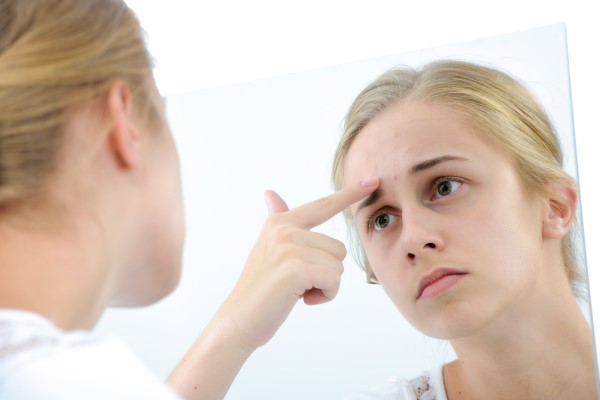
Acne treatment might be needed if you have exhausted home remedies with no luck. Acne is a skin disorder caused by hair follicles being congested with dead skin cells and oils. It leads to pimples, whiteheads, or blackheads forming on your face.
Acne primarily affects teenagers, but it can affect anyone regardless of their age. It tends to be a persistent condition, and over-the-counter treatments are often not enough to make it go away.
Severe cases of acne can lead to scars, and this can lead to a person becoming more self-conscious as they find themselves frequently worrying about what others might think about them. Getting effective acne treatment can help to prevent these issues.
4 popular approaches to acne treatment
When over-the-counter products fail to get acne under control, it is time to seek the services of a wellness center that provides regenerative medicine. Some of the ways a skincare provider might go about addressing acne include:
1. Topical medications
Medications that contain substances like tretinoin and retinoic acids can be effective at controlling moderate cases of acne. Some of these products come in lotion, gel, and cream form. These products can be applied to problematic areas up to three times per day.
Antibiotics, azelaic acid, and dapsone can also be topically applied to the skin to treat acne.
2. Oral medication
Oral medication like antibiotics can also help to manage acne. The patient would typically have to take these drugs for a short period to avoid building up a resistance to antibiotics. If oral antibiotics are ineffective at treating a patient’s acne, other oral medication like isotretinoin or antiandrogen agents might be prescribed.
3. Peels, extractions, and injections
There are a few treatments a dermatologist can perform to manage and treat acne breakouts. These include:
- Chemical peel: This involves applying a chemical, such as retinoic acid, to acne spots. It helps to clear out hair follicles, and it can be an effective way to treat mild cases of acne
- Extraction and drainage: A skincare provider can use hand tools to remove cysts, blackheads, or whiteheads on the patient’s skin. It can temporarily clear up the appearance of acne, but it can lead to permanent scarring
- Steroid: Cystic and nodular lesions can be addressed by injecting them with a steroid. It is an effective way to clear acne, and it reduces the pain caused by it
4. Homecare
Taking good care of your skin can be an effective treatment for mild to moderate acne, and it can help to prevent it. Some of the things patients can do at home to keep their hair follicles congestion-free include:
- Wash the affected area twice daily with a gentle product
- Avoid skin-care products that irritate your skin
- Use over-the-counter acne products to promote peeling and remove excess oil
- Use sunscreen and avoid excessive exposure to the sun
- Shower after physical activities that involve sweating
- Avoid picking at or touching acne spots
Make acne a thing of the past
Are you currently struggling with acne? Call or visit our Fresno wellness center to explore acne treatment options.
Get more information here: https://omgwellnessmd.com or call Optimal Medical Group at (559) 840-0066
Check out what others are saying about our services on Yelp: Read our Yelp reviews.
Related Posts
A resting metabolic rate test measures how many calories the body burns at rest. Knowing that number changes how a weight loss plan should be built. The test is called indirect calorimetry. A person breathes into a mask while an analyzer reads the oxygen consumed and the carbon dioxide produced. Those readings reveal resting energy…
An Omega-3 Index test measures how much omega-3 actually reached the body's cells, something a fish oil label can never show. A supplement bottle lists what was swallowed. The test reports EPA and DHA, the two long-chain omega-3 fatty acids, as a percentage of the fatty acids in red blood cell membranes. Because those cells…
An hs-CRP test measures low-grade inflammation that a cholesterol panel cannot see. It helps explain why identical cholesterol results can lead to different heart outcomes. High-sensitivity C-reactive protein, written hs-CRP, is a protein made by the liver that rises with inflammation. Inflammation helps make an artery wall receptive to plaque. Cholesterol-carrying particles supply the material,…
The right P-Shot® candidate is identified through measurement, not age alone. The P-Shot®, short for Priapus Shot®, uses platelet-rich plasma (PRP) from a man's own blood to support tissue repair and new blood vessel formation. That process depends on the biology already in place. Three numbers shape how well it can work: free testosterone, hemoglobin…