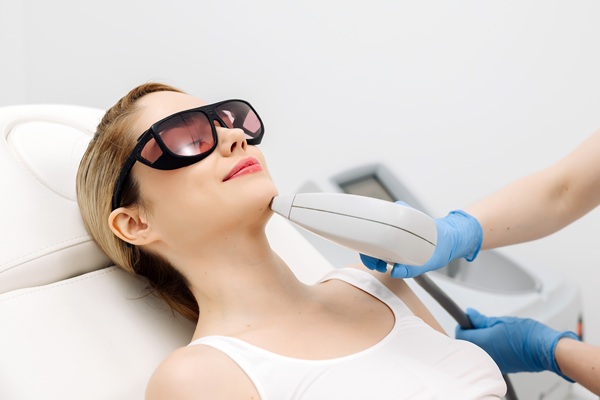
Before and After: What You Need to Know About Laser Hair Removal
Laser hair removal has become increasingly popular for those seeking a long-term solution for unwanted hair. This advanced treatment uses targeted light energy to damage hair follicles, reducing regrowth over time. Before beginning treatment, it is essential to understand the process, what to expect, and how to care for the skin before and after each session.
Understanding the laser hair removal process
Unlike over-the-counter hair removal products, which primarily target the hair, laser hair removal uses light energy to target the follicles. This light is absorbed by the hair's pigment, heating the follicle and disrupting its ability to grow new hair. Over time, this process weakens hair growth, leading to finer, sparser regrowth. Because hair grows in cycles, multiple sessions are necessary to ensure follicles are treated effectively.
One key advantage of this treatment is its precision. Unlike traditional hair removal methods, laser technology targets follicles without harming the surrounding skin. This makes it suitable for various body areas, including the legs, underarms, face, and bikini line. However, the effectiveness of the treatment can depend on factors such as hair color, skin type, and treatment area. Consulting with a wellness center professional ensures the most effective approach based on individual characteristics.
Preparing for laser hair removal
Proper preparation is crucial for achieving optimal results with laser hair removal. Before starting treatment, it is important to avoid sun exposure, as tanned skin can affect how the laser interacts with hair follicles. Sunburned or recently tanned skin may also be more sensitive, increasing the risk of irritation. In addition, patients should avoid certain skincare products, especially those containing retinoids or exfoliating acids, to reduce skin sensitivity before treatment.
Some professionals recommend shaving the target area the day before the laser hair removal session, as it removes surface hair while keeping the follicle intact. Conversely, patients should avoid waxing or plucking in the days to a week before the session, as these methods remove the follicle altogether, making the laser less effective. During a consultation, the wellness center professional will provide specific instructions based on the patient's skin type and the treatment area to ensure the procedure is as effective and comfortable as possible.
What to expect during the laser hair removal procedure
During the laser hair removal procedure, a wellness professional will use a handheld laser device to deliver controlled light pulses to the targeted area. Some patients may experience a mild warming sensation, often compared to a rubber band snapping against the skin. The wellness professional may employ cooling techniques, such as a cooling gel or built-in laser cooling systems, to help minimize discomfort.
The duration of the session varies depending on the area being treated. Smaller areas, like the upper lip, may take only a few minutes, while larger areas, like the legs, may require more time. During the consultation, the wellness professionals will provide a tentative treatment time to help patients better adjust their schedules. After the session, slight redness or sensitivity in the treated area is common, but these effects usually subside within a few hours. The wellness center will provide more detailed aftercare instructions to support healing and enhance treatment results.
Aftercare and recovery
Following laser hair removal, proper aftercare is essential to protect the skin and promote ideal outcomes. A major rule is to avoid direct sun exposure, as treated skin may be more sensitive to UV rays. Patients should also apply sunscreen with a high SPF to exposed areas to prevent irritation and hyperpigmentation. Further, keeping the skin moisturized while avoiding harsh skin care products will also support recovery. The wellness center can recommend appropriate brands and products if patients are unsure which will best work for their skin.
Again, mild redness or swelling may appear after the session. To ensure these side effects dissipate within a few hours, patients may apply a cold compress to help soothe the area, along with gentle (approved) skin care products. In the days following treatment, hair in the treated area may begin to shed. This is a normal part of the process that patients should mistake for new growth.
Since hair grows in cycles, patients typically require multiple sessions to achieve the desired level of hair reduction. Most patients see noticeable improvements after a few sessions, with continued refinement over time. Scheduling follow-up appointments as the wellness professional recommends ensures the most plausible results while maintaining long-term smoothness.
Call us for more information
Laser hair removal offers an effective and long-term solution for individuals seeking to reduce unwanted hair. Proper preparation before treatment, understanding the process, and following aftercare guidelines contribute to the procedure's success. If you have questions regarding any step of this procedure, contact Optimal Medical Group today.
A coronary calcium score looks directly at the heart's arteries and returns a single number, instead of estimating risk from a formula. It comes from a quick CT scan that finds calcium deposits in the arteries supplying the heart. The scan uses no contrast dye and requires no needle. It measures calcified plaque and reports…
Estradiol in men is essential, and its level is one of the most overlooked numbers in men's health. The male body converts part of its testosterone into estradiol through an enzyme called aromatase. That estradiol helps maintain bone density, keeps joints comfortable, supports blood vessel function, and contributes to libido. Testosterone alone does not deliver…
An Lp(a) test is a single blood draw that reveals an inherited heart risk no other test will show. Lipoprotein(a), or Lp(a), is a particle similar to LDL with an extra protein attached. The amount a person makes is set largely by genes. Diet and exercise do little to change it. About one in five…
P-Shot® results follow a predictable timeline, which means men can plan around what changes and when. The P-Shot®, short for Priapus Shot®, uses platelet-rich plasma (PRP) drawn from a man's own blood. Those platelets release growth factors that recruit repair cells and stimulate new blood vessel formation. That process is biological construction, and construction takes…