How Anti-Aging Medicine Supports Weight Loss and Rejuvenation
Anti-aging medicine can address age-related changes that affect physical health, appearance, and overall well-being. With age, metabolism slows down, muscle mass starts to decrease, and hormonal imbalances can develop. A wellness center aims to help patients achieve weight loss and feel rejuvenated after experiencing these natural changes.
What is anti-aging medicine?
Anti-aging medicine is a specialized field that focuses on slowing down the effects of aging and optimizing overall health and well-being. It combines evidence-based treatments and therapies to address the biological processes of aging while improving wellness. However, it does not look the same for every patient. Wellness centers typically offer a range of anti-aging solutions tailored to individual patient needs, including:
Hormone replacement therapy (HRT). Helps restore hormonal balance, including testosterone, estrogen, and thyroid hormones, which often decline with age.
Nutritional support. Customized meal plans, supplements, and intravenous (IV) therapies help improve nutrient absorption and promote cellular repair.
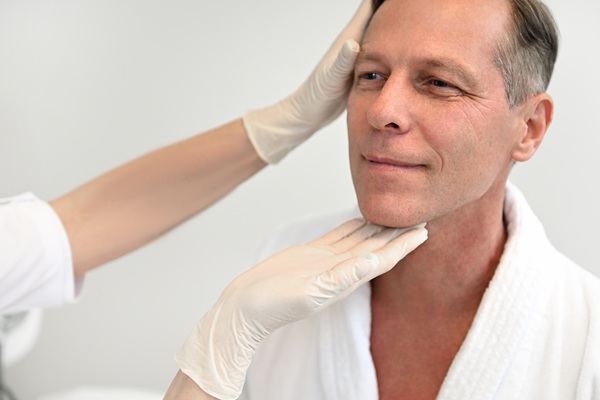
Skin rejuvenation treatments. Non-invasive options like microneedling and dermal fillers smooth wrinkles and fine lines, as well as restore skin elasticity.
The medical team at a wellness center can conduct comprehensive testing to identify nutrient deficiencies, hormonal imbalances, and other underlying issues affecting aging and weight. Then, they can recommend anti-aging medicine treatments such as the above to address both the external and internal aspects of aging, helping patients feel and look their best.
The connection between aging, weight, and wellness
Aging has a profound impact on weight and overall wellness. Changes in metabolism, muscle mass, and inflammatory processes make it harder to maintain a healthy weight. These factors can also contribute to a decline in energy levels, complicating regular physical activity and healthy eating.
Understanding the underlying processes of aging can shed light on why maintaining weight becomes more challenging with time and how anti-aging medicine can help overcome these barriers. Take a closer look below.
Hormonal changes and their impact on metabolism
Hormones such as testosterone, estrogen, and thyroid hormones help maintain muscle mass, energy levels, and metabolic rate. Unfortunately, hormone production slows down with age; this decline can lead to slower calorie burning, increased fat storage, and reduced motivation for physical activity. Restoring hormonal balance through anti-aging medicine can enhance metabolic efficiency, supporting weight loss and boosting energy levels.
Muscle loss and weight management challenges
Muscle mass naturally declines with age in a process called sarcopenia. This loss of muscle tissue lowers the body’s basal metabolic rate, which makes gaining weight easier even when the patient has not increased their caloric intake. Reduced muscle strength can also limit physical activity, further worsening issues with weight management. Anti-aging medicine addresses muscle loss by incorporating therapies that stimulate muscle growth and repair. As a result, patients may have an easier time staying active and maintaining a healthy weight.
Addressing inflammation and insulin resistance
Chronic inflammation often increases with age and can contribute to metabolic issues, such as insulin resistance. When the body becomes less sensitive to insulin, it struggles to regulate blood sugar levels effectively, leading to weight gain and an increased risk of chronic conditions like type 2 diabetes. Anti-aging medicine focuses on reducing inflammation and improving insulin sensitivity, allowing the body to better process nutrients and stay at a healthy weight. For example, nutritional support can play a pivotal role in reversing age-related metabolic challenges.
Promoting weight loss and rejuvenation with anti-aging medicine
Anti-aging medicine employs a holistic approach to weight loss by addressing the root causes of weight gain associated with aging. A common focus is improving metabolism. Hormone replacement therapy, for instance, enhances the body’s ability to metabolize fats and carbohydrates, preventing the storage of excess fat. Nutritional guidance ensures cells receive the vitamins and minerals needed to function optimally. Finally, muscle restoration therapies further contribute to calorie burning and physical endurance, supporting consistent progress toward weight loss goals.
In addition, anti-aging medicine can enhance overall quality of life. Patients often experience improved energy levels, better mood regulation, and enhanced cognitive function as a result of treatment. Skin health and appearance also benefit from treatments, such as dermal fillers, for restoring skin elasticity. No matter the patient’s issue, a wellness center will design each treatment plan for sustainable weight loss and a rejuvenated sense of well-being.
Discover anti-aging medicine at our wellness center
Anti-aging medicine offers a transformative approach to health, addressing the root causes of aging-related challenges, such as weight gain and reduced vitality. By targeting hormonal imbalances, muscle loss, and metabolic inefficiencies, these treatments provide comprehensive solutions. Contact our Fresno wellness center to start exploring anti-aging medicine and which approach may best suit your health and wellness needs.
A coronary calcium score looks directly at the heart's arteries and returns a single number, instead of estimating risk from a formula. It comes from a quick CT scan that finds calcium deposits in the arteries supplying the heart. The scan uses no contrast dye and requires no needle. It measures calcified plaque and reports…
Estradiol in men is essential, and its level is one of the most overlooked numbers in men's health. The male body converts part of its testosterone into estradiol through an enzyme called aromatase. That estradiol helps maintain bone density, keeps joints comfortable, supports blood vessel function, and contributes to libido. Testosterone alone does not deliver…
An Lp(a) test is a single blood draw that reveals an inherited heart risk no other test will show. Lipoprotein(a), or Lp(a), is a particle similar to LDL with an extra protein attached. The amount a person makes is set largely by genes. Diet and exercise do little to change it. About one in five…
P-Shot® results follow a predictable timeline, which means men can plan around what changes and when. The P-Shot®, short for Priapus Shot®, uses platelet-rich plasma (PRP) drawn from a man's own blood. Those platelets release growth factors that recruit repair cells and stimulate new blood vessel formation. That process is biological construction, and construction takes…