Microneedling Treatment: How It Can Improve Skin Texture and Tone
Microneedling treatment is a minimally invasive skin care procedure that helps rejuvenate the skin and improve its tone and texture. This treatment harnesses the body's natural healing process to reduce the appearance of scars, fine lines, and uneven skin tone. Whether you want to address acne scars and signs of aging or enhance your skin's glow, microneedling can deliver impressive results.
What Is Microneedling?
Also known as collagen induction therapy, microneedling promotes the skin's natural regeneration process. The treatment involves using a device equipped with tiny, sterile needles that create controlled micro-injuries on the skin's surface. These micro-injuries stimulate the production of collagen and elastin—key proteins responsible for skin elasticity and strength.
As the skin heals, it becomes smoother, firmer, and more even in tone. Microneedling treatment can address various skin concerns, including:
Fine lines and wrinkles
Acne scars and other types of scarring
Hyperpigmentation
Uneven skin texture
Enlarged pores
Stretch marks
For those dealing with discoloration or dullness, microneedling can help promote cell turnover, which aids in fading dark spots and brightening the complexion.
Benefits of microneedling treatment?
The magic of microneedling lies in its ability to kickstart the skin's natural repair mechanisms. By creating tiny channels in the skin, the treatment encourages the growth of new skin cells, blood vessels, and collagen fibers. This results in a more even texture and tone as well as improved skin elasticity. Also, the procedure is minimally invasive, requiring no recovery time while still delivering impressive results. An added bonus—the microchannels created during the procedure allow for better absorption of topical skincare products, amplifying their effectiveness.
Who Is a Good Candidate for Microneedling?
The ideal candidate is someone with mild to moderate skin concerns seeking a non-invasive way to improve their skin's appearance gradually. Most skin types respond well to microneedling treatment; however, microneedling may not be appropriate for individuals with certain conditions. Those with active acne, skin infections, or severe rosacea should wait until their skin has healed before undergoing the procedure. Additionally, pregnant individuals or those with a history of keloid scarring should consult with a professional to determine if microneedling is right for them.
What Are the Risks of Microneedling?
Microneedling is generally safe when performed by a trained professional. Temporary side effects may include redness, swelling, minor bruising, and pinpoint bleeding. Also, there may be some dryness or flaking as the skin heals, but all side effects typically subside within a few days. Rarely, complications such as infection or prolonged redness may occur, especially if post-procedure care instructions are not followed. Choosing a reputable wellness center with experienced practitioners is essential to minimizing risks and ensuring the best results.
Overview of the procedure
A microneedling treatment session usually takes 30–60 minutes, depending on the area being treated. Though the process may vary by individual, it typically involves the following:
Consultation and Preparation
Before the procedure, the provider will assess the patient's skin, discuss their goals, and create a personalized treatment plan. Then, a topical numbing cream is often applied to ensure comfort.
Microneedling Process
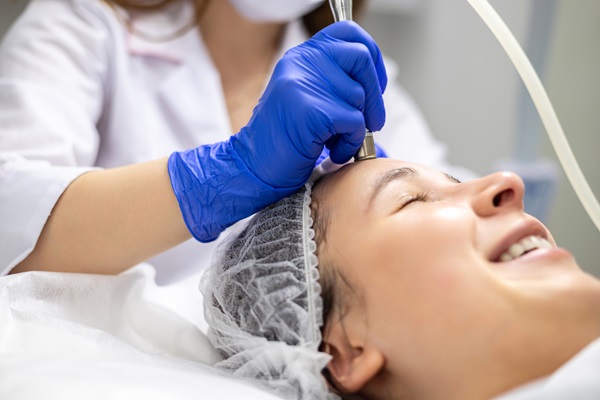
Using a handheld device or a pen-like tool, the practitioner glides the needles across the skin to create controlled micro-injuries. The depth of the needles can be adjusted based on the skin's needs and the areas being treated.
Post-Treatment Care
After the procedure, the skin may appear red, similar to a mild sunburn. The provider will recommend soothing products and specific aftercare steps to promote healing and enhance results.
Results of the procedure
Most patients require a series of treatments to achieve optimal results. Depending on the severity of the skin issue, the provider may recommend 3–6 sessions spaced about 4–6 weeks apart. Each session builds upon the previous one, gradually improving the skin's texture, tone, and firmness. The results of microneedling treatment can last for several months to a year, depending on factors such as a person's age, skin condition, and lifestyle. Maintenance sessions every 6–12 months can help sustain the benefits over time.
Why Choose a Wellness Center for Microneedling?
A wellness center offers a relaxing and professional environment for your microneedling treatment. With a focus on holistic health and personalized care, wellness centers prioritize your comfort and overall well-being throughout the process. Trained practitioners use state-of-the-art equipment and techniques to ensure you achieve your skincare goals safely and effectively. To learn more about microneedling treatment and find out if it is right for you, call today for a consultation.
A resting metabolic rate test measures how many calories the body burns at rest. Knowing that number changes how a weight loss plan should be built. The test is called indirect calorimetry. A person breathes into a mask while an analyzer reads the oxygen consumed and the carbon dioxide produced. Those readings reveal resting energy…
An Omega-3 Index test measures how much omega-3 actually reached the body's cells, something a fish oil label can never show. A supplement bottle lists what was swallowed. The test reports EPA and DHA, the two long-chain omega-3 fatty acids, as a percentage of the fatty acids in red blood cell membranes. Because those cells…
An hs-CRP test measures low-grade inflammation that a cholesterol panel cannot see. It helps explain why identical cholesterol results can lead to different heart outcomes. High-sensitivity C-reactive protein, written hs-CRP, is a protein made by the liver that rises with inflammation. Inflammation helps make an artery wall receptive to plaque. Cholesterol-carrying particles supply the material,…
The right P-Shot® candidate is identified through measurement, not age alone. The P-Shot®, short for Priapus Shot®, uses platelet-rich plasma (PRP) from a man's own blood to support tissue repair and new blood vessel formation. That process depends on the biology already in place. Three numbers shape how well it can work: free testosterone, hemoglobin…