PRP Treatment: A Natural Approach to Skin and Tissue Repair
Platelet-rich plasma (PRP) treatment has emerged as an effective method for promoting natural healing and tissue regeneration. This innovative approach is found at many wellness centers, offering patients a natural, minimally invasive way to recover from skin and tissue injuries. PRP treatment harnesses the body's natural ability to heal, making it ideal for those seeking alternative ways to repair aesthetic and functional concerns.
An overview of PRP treatment
PRP treatment involves the extraction and concentration of platelets from a patient's blood. It consists of two components: platelets and plasma. Platelets, also known as thrombocytes, are small, colorless cell fragments that form blood clots and can stop or prevent bleeding, which are essential components of the body's healing process. They also contain growth factors that stimulate cell reproduction and tissue regeneration in the affected area.
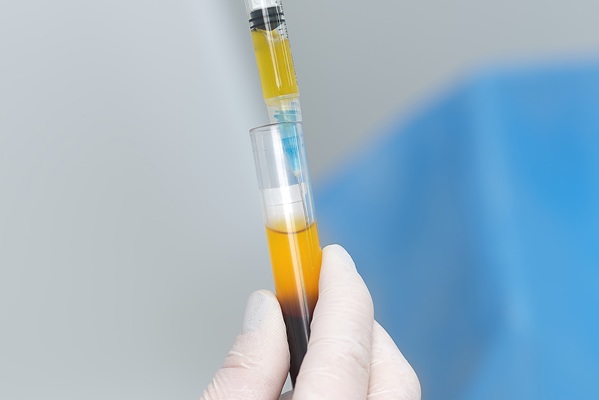
In order to create platelet-rich plasma, medical practitioners take a blood sample from the patient and place it into a centrifuge to rapidly spin the sample. This process separates other blood components from the platelets and concentrates them within the plasma. Then, the practitioner can inject the concentrated material into the affected area.
How wellness centers use PRP treatment
PRP treatment is a versatile option that can address a wide range of concerns. These include skin rejuvenation, tissue healing, and hair restoration.
Skin rejuvenation
PRP is frequently used to enhance the appearance of a patient's skin. Practitioners often use this treatment to reduce fine lines, wrinkles, and acne scars. PRP promotes firmer, smoother, and more youthful-looking skin by stimulating collagen production. Many wellness centers may also combine PRP with other skin rejuvenation treatments like microneedling to maximize its restorative effects. This is because the tiny punctures created during microneedling help the PRP penetrate deeper into the patient's skin.
Tissue repair
PRP can also accelerate healing in tissue injuries. These injuries include:
Tendonitis
Rotator cuff tears
Ligament sprains
Muscle strains
Joint pain
Athletes and individuals recovering from orthopedic injuries often use PRP treatment as a complementary method to boost their overall recovery. Additionally, wellness centers often integrate PRP with other natural therapies, such as physiotherapy or acupuncture, to provide a comprehensive approach to tissue regeneration and recovery.
Hair restoration
Patients experiencing hair loss may also benefit from PRP treatment, particularly if they are experiencing androgenetic alopecia or thinning hair. PRP stimulates dormant hair follicles, encouraging new hair growth and improving the overall thickness and quality of the patient's existing hair. PRP treatment for hair restoration offers an effective solution for those seeking a non-invasive and natural alternative to traditional hair restoration methods.
Benefits of choosing PRP treatment at a wellness center
Receiving PRP treatment at a wellness center offers several unique advantages. These centers often prioritize a holistic approach, ensuring the procedure aligns with an individual's overall health and wellness goals.
Natural and minimally invasive
PRP treatment relies solely on the body's healing ability. This reduces the risk of adverse reactions or complications. The procedure does not involve synthetic substances or extensive surgery, making it a safe and gentle option for various skin and tissue concerns.
Personalized care
Wellness centers emphasize the importance personalized treatment plans. as there is no one-size-fits-all approach to PRP therapy. Practitioners at these centers conduct thorough consultations with each of their patients to understand their unique needs and goals. They can then apply the appropriate treatment plan. By applying a personalized approach, these medical practitioners enhance the effectiveness of PRP treatment and ensure that it supports long-term wellness.
Relaxing environment
A wellness center's relaxing and patient-centered atmosphere provides a comfortable space for patients to receive their PRP treatment. This environment can help reduce any fear or discomfort some patients may associate with the procedure.
What to expect during and after PRP treatment
On the day of the procedure, a small amount of the patient's blood is drawn and processed in a centrifuge to isolate the platelet-rich plasma. The practitioner injects the concentrated platelets into the treatment area using a fine needle. It is an outpatient procedure, so patients can typically return to their regular activities after their treatment session.
Patients will gradually notice results over several weeks as the growth factors stimulate collagen production and tissue regeneration. Depending on the patient's goals and overall treatment plan, they may need multiple PRP injections for optimal results. Some patients may also need maintenance sessions every 3 to 6 months to maintain the results of their treatment.
Schedule a consultation today
PRP treatment is an effective way to repair your skin or address tissue injuries. This therapy leverages the body's natural healing ability to deliver the results you want. Call our Fresno location today to learn more or to schedule a consultation.
A resting metabolic rate test measures how many calories the body burns at rest. Knowing that number changes how a weight loss plan should be built. The test is called indirect calorimetry. A person breathes into a mask while an analyzer reads the oxygen consumed and the carbon dioxide produced. Those readings reveal resting energy…
An Omega-3 Index test measures how much omega-3 actually reached the body's cells, something a fish oil label can never show. A supplement bottle lists what was swallowed. The test reports EPA and DHA, the two long-chain omega-3 fatty acids, as a percentage of the fatty acids in red blood cell membranes. Because those cells…
An hs-CRP test measures low-grade inflammation that a cholesterol panel cannot see. It helps explain why identical cholesterol results can lead to different heart outcomes. High-sensitivity C-reactive protein, written hs-CRP, is a protein made by the liver that rises with inflammation. Inflammation helps make an artery wall receptive to plaque. Cholesterol-carrying particles supply the material,…
The right P-Shot® candidate is identified through measurement, not age alone. The P-Shot®, short for Priapus Shot®, uses platelet-rich plasma (PRP) from a man's own blood to support tissue repair and new blood vessel formation. That process depends on the biology already in place. Three numbers shape how well it can work: free testosterone, hemoglobin…