What Can You Eat on the HCG Diet?
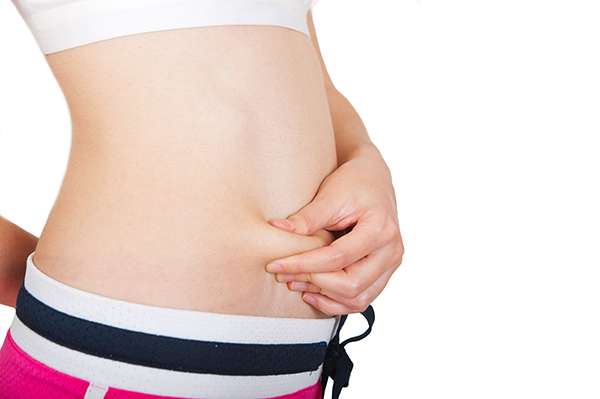
Curious about the HCG diet? Read on to learn more about this weight loss method. This short explainer will be a helpful guide that will help you work out the types of foods that make the diet effective.
How the HCG diet works
The HCG diet is a short-term eating plan that takes between three and six weeks to complete. Its main selling point is dramatic weight loss in a short amount of time. The two main aspects of the HCG diet are a drastic reduction in calorie intake and the HCG hormone. The reasoning is that the HCG pregnancy hormone drives the body to burn fat. A reduction in calorie intake also forces the body to retrieve stored fat when it runs out of a ready supply of sugars.
For this diet to work, caloric intake must be low enough to force the body to fetch its fuel from fat stores.
The three phases of the HCG diet
The HCG diet is challenging because of the extensive calorie restriction. However, this is one of the reasons why the diet promises to work in a remarkably short amount of time.
The main phases of the HCG diet are the loading phase, the weight loss phase, and the maintenance phase. Each of these phases requires a different type of diet.
1. The loading phase
This two-day phase requires the person to load up on calories and fats in preparation for the diet phase. The dieter should take in as much fat and as many calories as they can. For two days, the person should eat a no-holds-barred, high-fat, high-carb diet. The point is to store these calories in the form of fat. The idea is that the body will tap into this stash during the second phase of the diet.
2. The weight loss phase
The weight loss phase limits daily caloric intake to between 500 and 800 calories, spread out over two meals. This phase should last anywhere between three and six weeks. During this stage, the dieter should choose low-calorie foods that also happen to be filling. For example:
- One five-ounce serving of lean protein like white fish, lean beef, egg white, or crab
- Add vegetables like broccoli, cabbage, lettuce, onions, tomatoes, spinach, beets, radishes, celery, and cauliflower. Ideally, the vegetables should be steamed or eaten as a salad
- Certain types of fruit can complete the meal. Citrus fruits or a handful of berries work
Herbs and spices are calorie-free, so go ahead and use them to add flavor to a meal. The dieter can also drink as much coffee, tea, and water as they like. However, their daily intake should be limited to a tablespoon of milk per day. Their sugar intake should be zero.
3. The maintenance phase
The weight loss phase sheds the weight while the maintenance phase keeps it off. During this phase, the caloric intake increases to 1500 calories, give or take. There are no hard and fast rules at this stage, except to keep empty carbohydrates to a minimum.
The bottom line
Get in touch with our wellness center to learn about the HCG diet and find out if it is a good fit for you. We will work with you to find a diet and fitness regimen that delivers the results that you set out to achieve.
Get more information about Optimal Medical Group in Fresno at https://omgwellnessmd.com.
Check out what others are saying about our services on Yelp: Read our Yelp reviews.
Related Posts
An hs-CRP test measures low-grade inflammation that a cholesterol panel cannot see. It helps explain why identical cholesterol results can lead to different heart outcomes. High-sensitivity C-reactive protein, written hs-CRP, is a protein made by the liver that rises with inflammation. Inflammation helps make an artery wall receptive to plaque. Cholesterol-carrying particles supply the material,…
The right P-Shot® candidate is identified through measurement, not age alone. The P-Shot®, short for Priapus Shot®, uses platelet-rich plasma (PRP) from a man's own blood to support tissue repair and new blood vessel formation. That process depends on the biology already in place. Three numbers shape how well it can work: free testosterone, hemoglobin…
A DHEA-S test measures the adrenal hormone that supplies the raw material for much of what testosterone and estrogen accomplish. DHEA-S stands for dehydroepiandrosterone sulfate. DHEA and DHEA-S are the most abundant steroids in the human body, and the adrenal glands make most of it. The body converts it into testosterone and estrogen inside the…
A coronary calcium score looks directly at the heart's arteries and returns a single number, instead of estimating risk from a formula. It comes from a quick CT scan that finds calcium deposits in the arteries supplying the heart. The scan uses no contrast dye and requires no needle. It measures calcified plaque and reports…